In 2026, enterprises are not struggling to get answers from AI. They are struggling to trust them.
That is the real gap.
At CRG Solutions, while deploying Rovo Think Deeper across enterprise environments, we observed a clear shift. Teams are not asking more questions. They are asking better ones. Strategic questions that were previously avoided because the stakes were too high.
This shift is redefining how organizations use AI.
The Real Problem Is Not Speed
Most teams already have access to fast AI tools. Search engines, chatbots, and assistants deliver answers in seconds.
Yet a significant amount of time is still spent searching, validating, and confirming information.
Why
Because speed is not the constraint. Trust is.
When a product leader asks whether to delay a release, they are not looking for a quick answer. They need structured reasoning that evaluates tradeoffs, risks, and outcomes.
Traditional AI delivers instant responses. However, teams still rely on manual validation.
The result is simple. No meaningful time is saved.
This is the AI reasoning gap. The distance between receiving an answer and trusting it enough to act.
Think Deeper closes that gap.
From Information Retrieval to Decision Support
Before Think Deeper, teams focused on basic queries such as status updates or ownership details.
After adopting Think Deeper, the nature of questions evolved.
Teams began asking
Should we prioritize this initiative
What are the risks involved
How do we evaluate multiple options
This shift marks a transition from information retrieval to decision support.
And that is where real value is created.
How Think Deeper Works
Think Deeper does not generate immediate responses. It follows a structured reasoning approach.
It breaks down complex problems into smaller components, evaluates each step, and synthesizes the outcome.
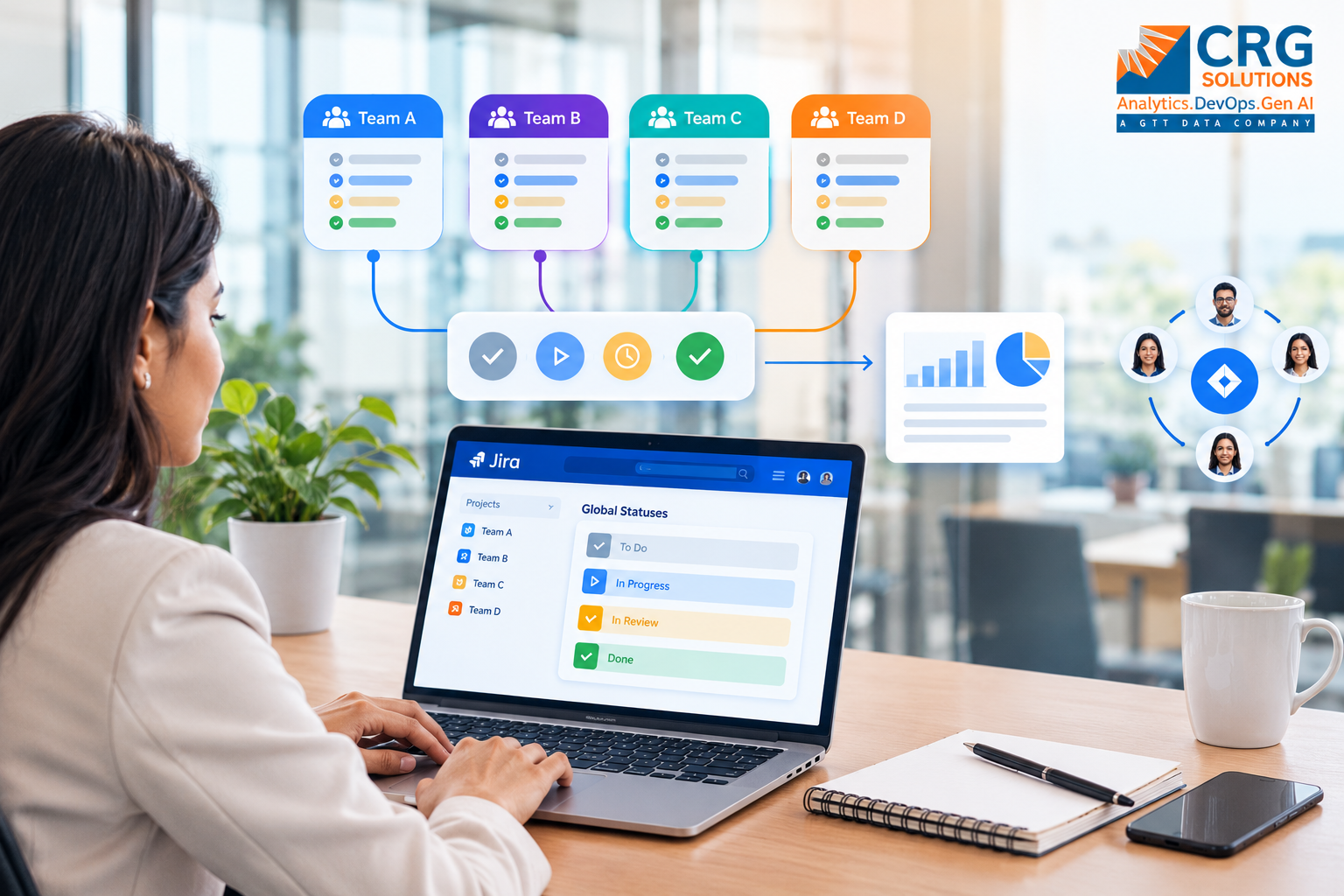
When integrated with Jira and Confluence, it gains access to contextual enterprise data across teams and workflows.
This enables it to
Connect insights across systems
Evaluate tradeoffs with clarity
Deliver structured and reliable reasoning
The outcome is not just an answer, but a foundation for confident decision making.
Enterprise Adoption Patterns
Organizations adopting Think Deeper typically follow a clear progression.
Initially, teams use it for basic queries.
Next, they apply it to decision preparation.
Over time, they integrate it into structured decision frameworks.
As adoption matures, decision making becomes more consistent and transparent.
A key benefit emerges. Decision context is preserved.
Teams can understand not only what decision was made, but also why it was made.
Context, Security, and Governance
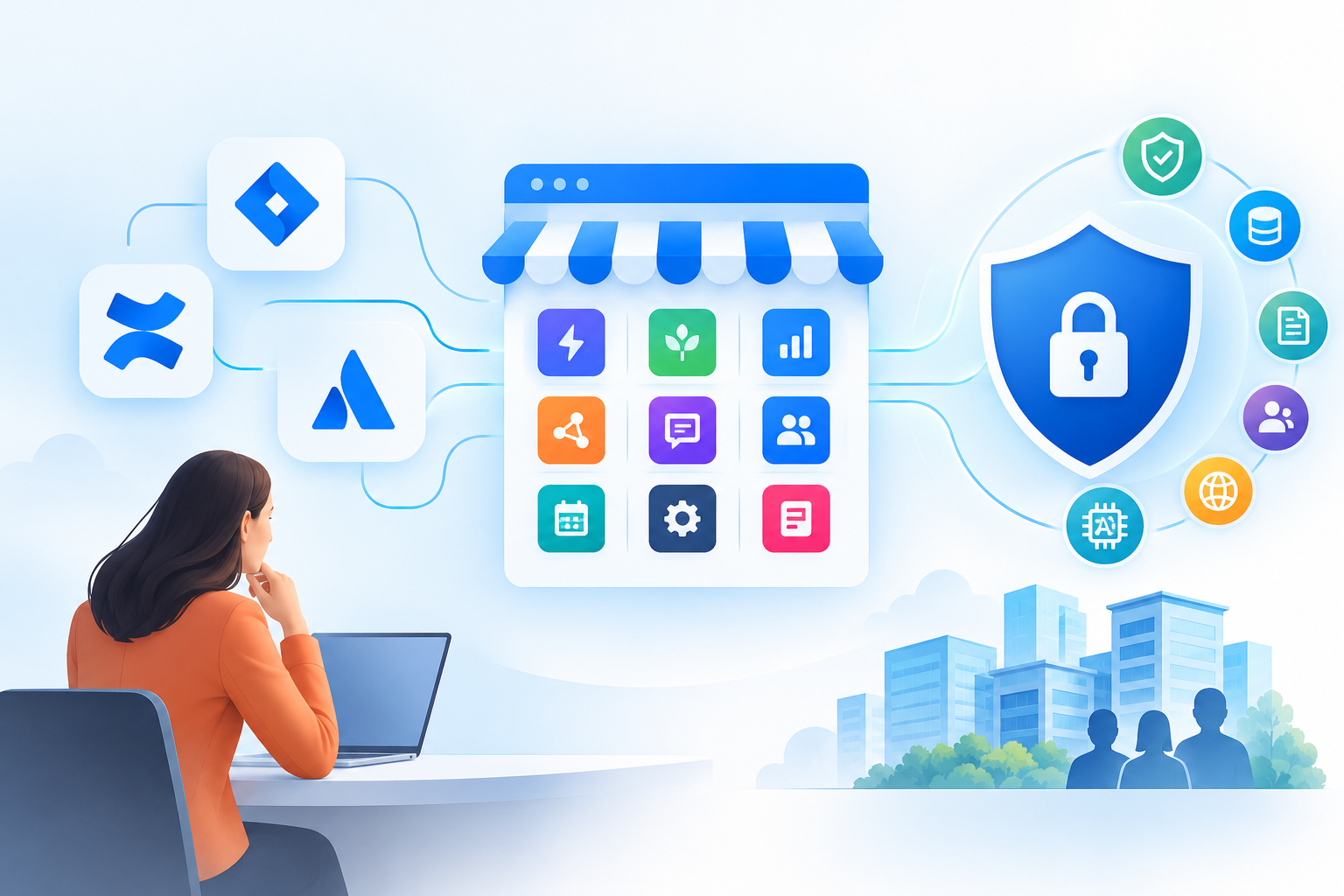
One of the most critical advantages of Think Deeper is its ability to operate within enterprise boundaries.
It respects permissions, roles, and access controls.
Different stakeholders receive insights aligned with their responsibilities and access levels.
This ensures
Data security
Regulatory compliance
Contextual relevance
At the same time, contextual awareness improves efficiency. The system understands organizational structures, reducing redundant effort and improving output quality.
What This Means for Enterprise AI
AI in 2026 is no longer experimental. It is becoming foundational to how organizations operate.
Enterprises that are realizing value are embedding AI into decision making processes rather than treating it as a standalone tool.
Think Deeper enables this transition.
It shifts AI from being an answer provider to becoming a decision support system.