Most organizations do not suffer from a lack of strategy.
They suffer from a lack of visibility into execution.
Across boardrooms globally, leadership teams spend significant time defining priorities, allocating budgets, and setting ambitious goals. Yet despite this effort, many organizations struggle to answer a simple question:
Are we actually making progress against our most important priorities?
The challenge is not a shortage of talent, resources, or intent. It is the disconnect between strategic planning and day-to-day execution.
This gap has become one of the most significant barriers to enterprise growth.
Why Strategy Often Fails After the Planning Phase
Most enterprises have invested heavily in planning processes. Strategic objectives are documented, roadmaps are developed, and transformation initiatives are launched.
However, execution data often remains fragmented across multiple systems.
Leadership reviews one set of reports. Project teams work from another. Financial performance lives elsewhere. By the time information reaches decision-makers, it is frequently outdated.
As organizations scale, this challenge becomes even more pronounced.
A strategic priority may involve multiple business units, dozens of teams, hundreds of contributors, and millions in investment. Yet leaders often rely on status meetings, spreadsheets, and periodic reviews to understand whether those investments are delivering results.
The result is a recurring cycle:
- Delayed decision-making
- Misaligned priorities
- Resource conflicts
- Budget overruns
- Reduced organizational agility
The issue is not execution itself. The issue is the absence of a connected operating model that links strategy directly to work.
The Shift Toward Connected Strategic Intelligence
Enterprise leaders are increasingly recognizing that successful strategy execution requires more than planning frameworks.
It requires real-time visibility.
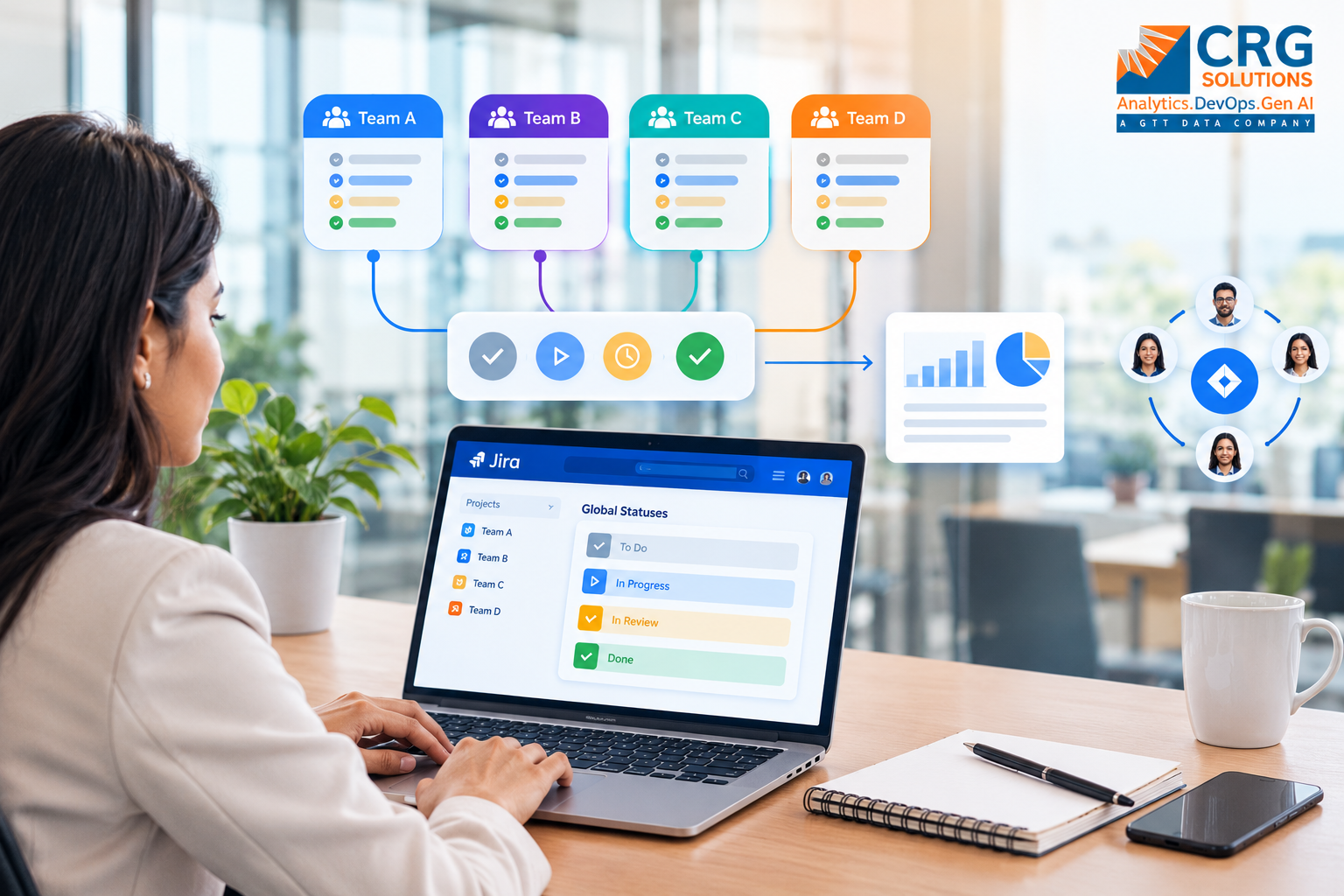
Modern organizations need the ability to understand how strategic objectives, investments, teams, and delivery activities connect across the business.
This is where a new generation of enterprise planning capabilities is creating significant value.
Rather than treating strategy as a static annual exercise, organizations are beginning to manage it as a living system.
Leaders can continuously monitor strategic health, identify emerging risks, evaluate financial impact, and make informed decisions before problems escalate.
The ability to connect strategic intent with operational execution is becoming a competitive advantage.
Why Visibility Matters More Than Reporting
Traditional reporting focuses on documenting what happened.
Strategic intelligence focuses on understanding what is happening right now.
This distinction is critical.
When leadership teams have access to connected operational signals, they can:
- Identify delivery risks earlier
- Understand the impact of changing priorities
- Align resources with business goals
- Improve investment decisions
- Accelerate organizational responsiveness
Instead of spending time assembling information, leaders can focus on taking action.
The value is not simply greater transparency.
The value is faster and better decisions.
Connecting Strategy, Finance, and Delivery
One of the most common enterprise challenges is the separation between strategic planning and financial management.
- Business leaders define priorities.
- Finance teams manage budgets.
- Delivery teams execute projects.
Yet these functions often operate independently. As a result, organizations struggle to understand how financial investments influence strategic outcomes.
Forward-thinking enterprises are beginning to unify these perspectives.
When strategic goals, funding allocations, resource capacity, and delivery progress become connected, leaders gain a far more accurate picture of organizational performance.
This enables continuous prioritization rather than periodic course correction.
The outcome is greater agility without sacrificing governance.
The Role of AI in Strategic Decision-Making
Artificial intelligence is rapidly becoming a core component of enterprise operations.
However, AI alone does not solve execution challenges. AI amplifies existing operating models. If an organization operates with fragmented data and disconnected processes, AI simply produces more fragmented insights.
When AI operates within a connected ecosystem, it becomes significantly more valuable.
It can identify emerging risks, surface hidden dependencies, highlight resource conflicts, and provide leadership with actionable recommendations.
The organizations generating the greatest value from AI are not treating it as a standalone technology initiative.
They are embedding AI into the fabric of strategic execution.
Where CRG Solutions Creates Value
At CRG Solutions, we work with enterprise organizations that have already invested in strategic planning, project management, and collaboration platforms.
The challenge is rarely a lack of tools.
The challenge is creating alignment between strategy, execution, governance, and decision-making.
Our approach focuses on building connected enterprise operating models that enable leaders to move from reactive reporting to proactive management.
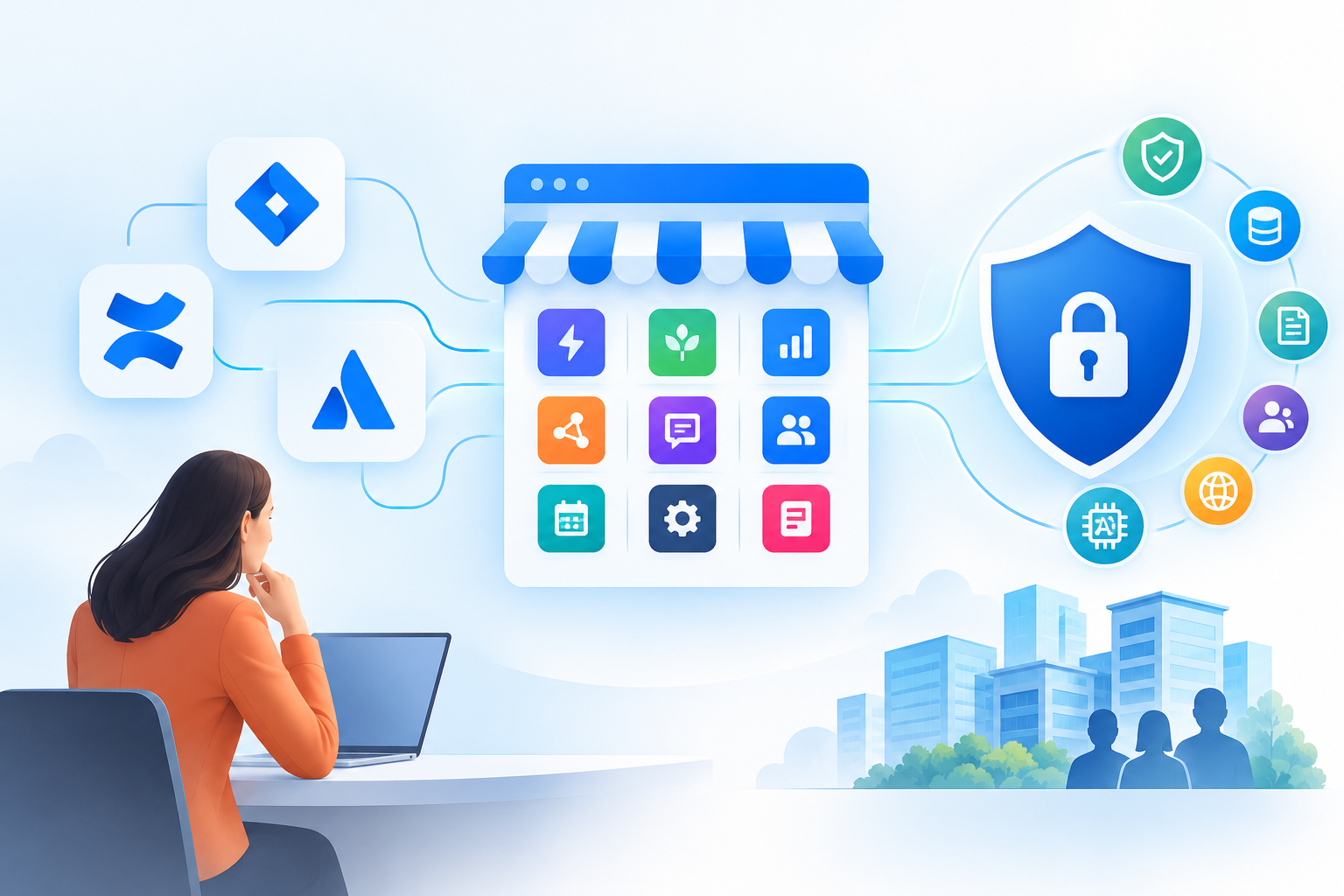
By combining deep Atlassian expertise with enterprise transformation experience, we help organizations establish the visibility, governance, and intelligence required to execute strategy with confidence.
The goal is not simply better reporting.
The goal is creating an environment where strategic decisions flow seamlessly into operational execution and where leaders can see, understand, and influence outcomes in real time.
The Future Belongs to Organizations That Can Execute Faster
In today’s environment, competitive advantage is increasingly determined by execution speed. Organizations that can align priorities, resources, investments, and delivery activities gain the ability to adapt faster, innovate faster, and respond faster than their competitors.