Why the Future of Product Management Is Being Built Around Context
Every product team faces the same fundamental question.
What should we build next?
It sounds simple, yet answering it has become increasingly difficult. Product leaders must balance customer expectations, business goals, engineering capacity, competitive pressures, and market trends. Each decision carries consequences that can impact revenue, customer retention, and long-term growth.
The challenge is not a shortage of ideas.
The challenge is context.
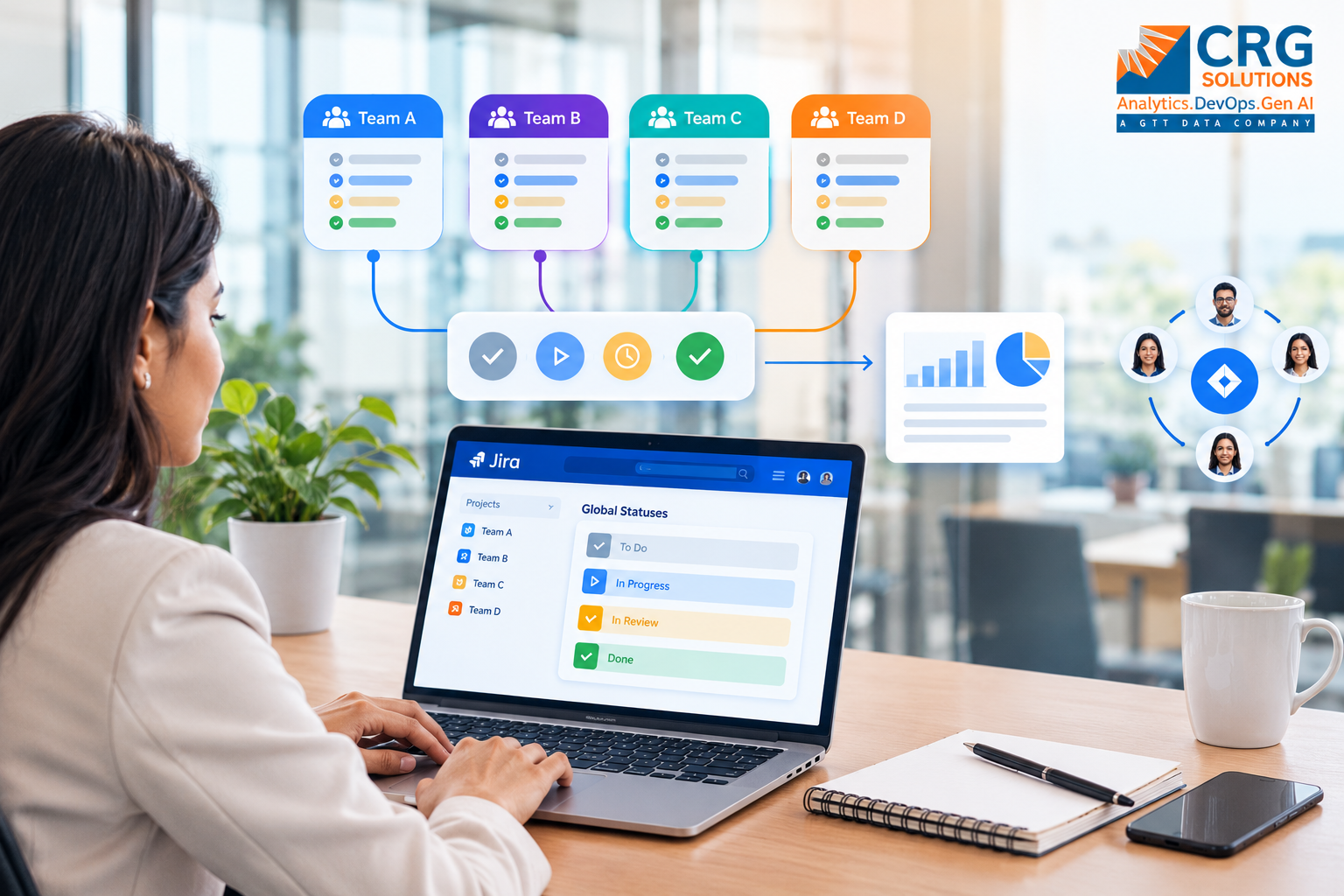
Most organizations operate with fragmented information. Customer feedback exists in one platform. Product roadmaps live in another. Analytics sit elsewhere. Strategic objectives are documented separately. Development teams work inside Jira while leadership discussions happen across presentations and meetings.
As a result, critical decisions often happen without complete visibility.
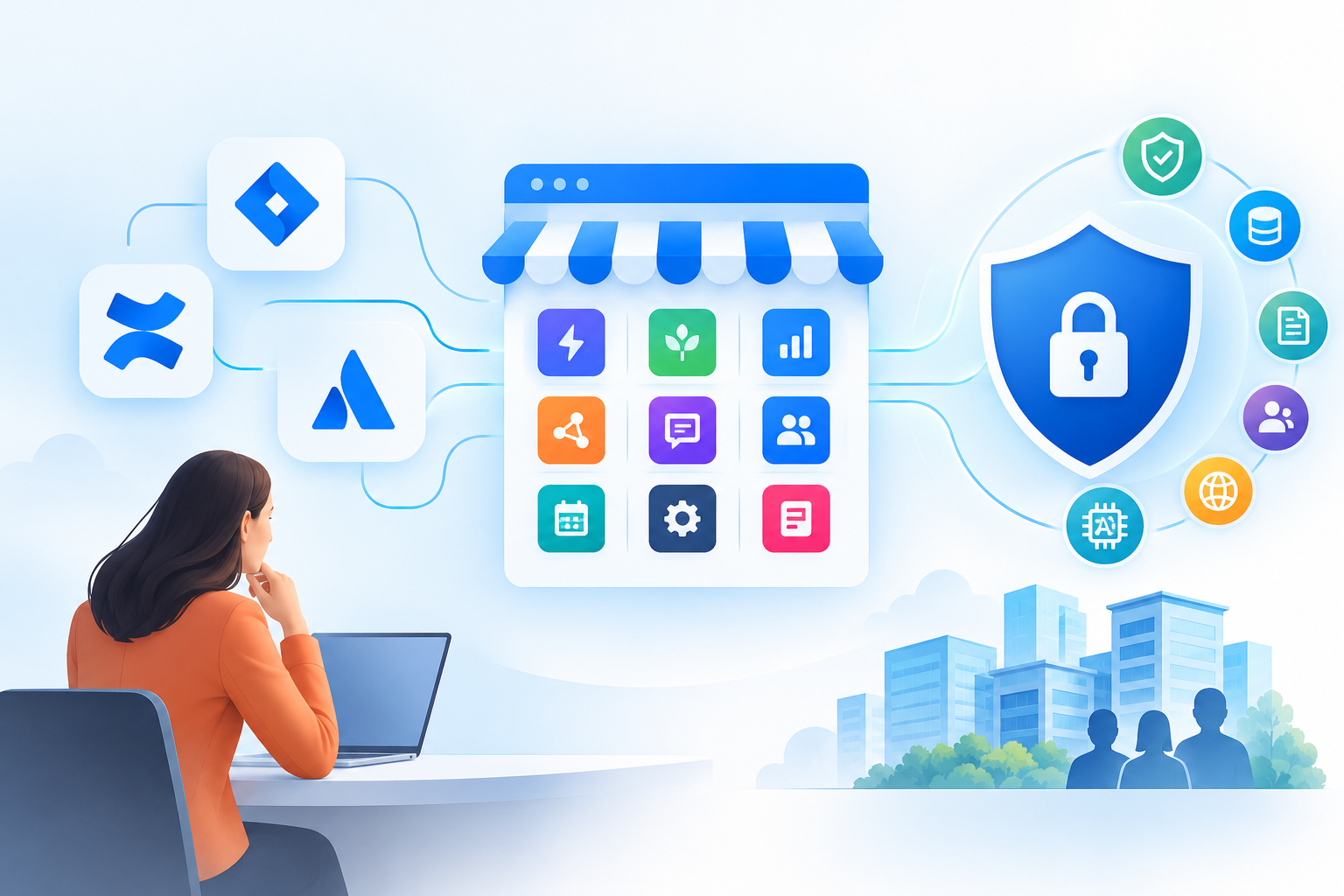
Atlassian’s newly announced Product Collection reflects a growing recognition across the market that product management requires a more connected operating model. By bringing together feedback intelligence, product discovery, AI capabilities, analytics integrations, and delivery workflows, Atlassian is moving product teams toward a unified decision environment.
The importance of this shift cannot be overstated.
In the past, product success often depended on execution excellence. Organizations focused on building faster, releasing more frequently, and improving delivery efficiency.
Today, AI has dramatically reduced the effort required to build software. Prototypes that once took weeks can now be developed in days or even hours. Atlassian itself highlighted that decision-making has become the new bottleneck for product organizations.
When building becomes easier, choosing what to build becomes harder.
This is where context becomes a strategic asset.
Organizations that connect customer feedback, behavioural analytics, strategic priorities, and delivery execution gain a significant advantage over those operating in silos.
Consider the difference between knowing what customers are requesting and understanding how those requests align with business goals and actual product usage. One provides information. The other provides intelligence.
The organizations leading product innovation in 2026 are increasingly investing in systems that transform disconnected signals into actionable insights.
At CRG Solutions, we see enterprises moving toward product operating models where every decision can be traced back to customer evidence, strategic objectives, and measurable outcomes. This creates stronger alignment between leadership, product teams, and delivery organizations.
It also improves organizational learning.
When decisions are documented, connected, and visible, teams develop a deeper understanding of what drives successful outcomes. Prioritization becomes more consistent. Portfolio management becomes more transparent. Strategic planning becomes more data-driven.
The role of AI further amplifies this trend.
AI can identify patterns across thousands of customer signals, highlight emerging opportunities, and surface insights that would otherwise remain hidden. However, AI effectiveness depends entirely on the quality and accessibility of organizational context.
Without context, AI generates suggestions.
With context, AI supports strategic decision-making.
That distinction will define the next generation of product organizations.