Helping Teams Adjust Course
Once a KPI drifts off track, the next problem is figuring out the response to a KPI. Agentic systems don’t just say, “Something’s wrong” but it also suggests, “Here’s what you can try.”
For example, if the system finds support tickets are being held longer in resolution, the suggestions could include:
- Balancing the workload between agents.
- Updating existing knowledge base articles.
- Notify the lead if multiple agents are stuck on the same issue.
Agentic systems are a series of friendly nudges rather than highly complicated scientific recommendations. It operates as a background coach for keeping your team productive and on target.
It is not always easy to track down the KPIs that matter. Teams are often multitasking with different tools, dashboards, and reports. Even when the data is available, sometimes it is a challenge to act quickly and take important measures before the opportunity fades.
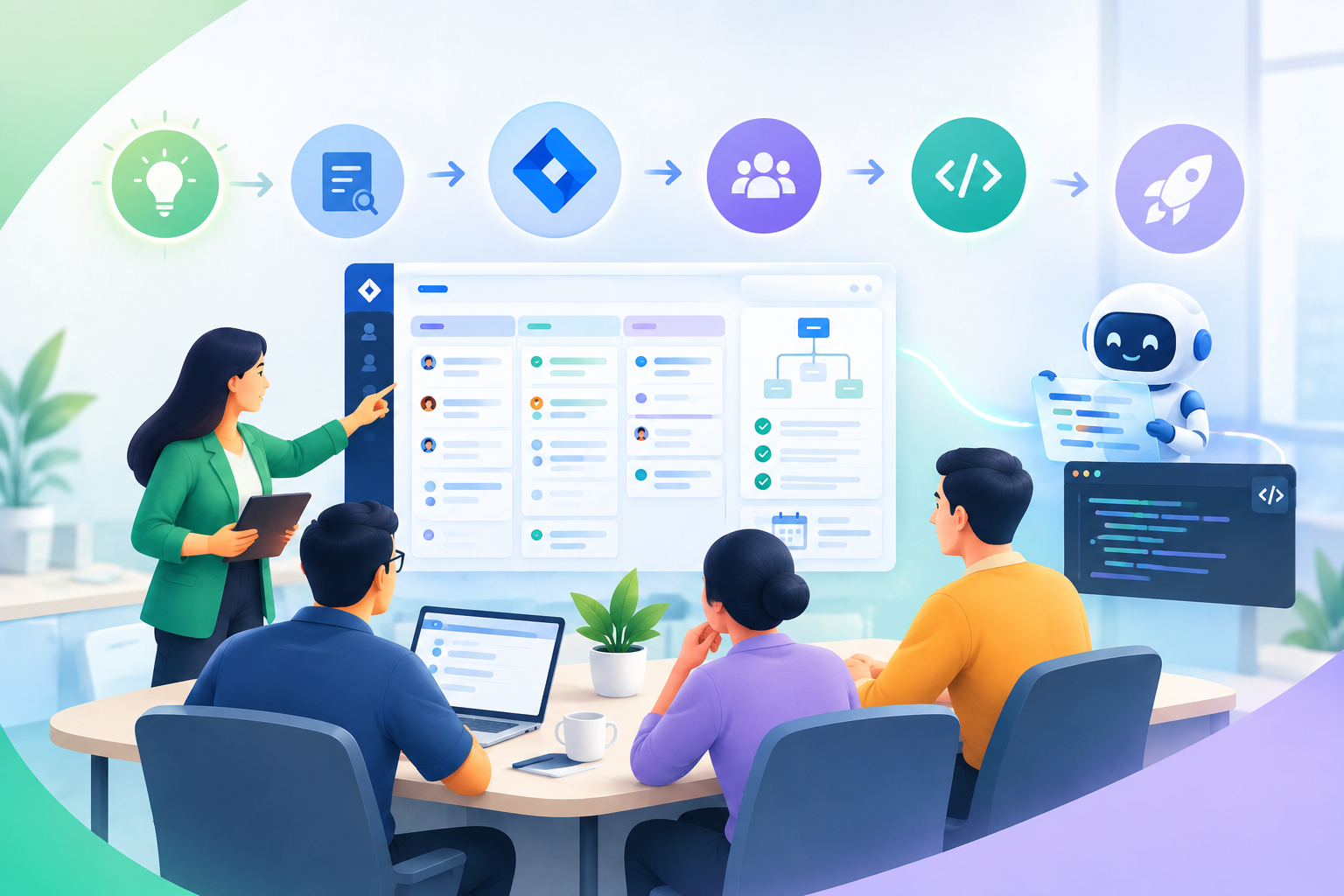
Agentic systems can help in such situations. You can think of them as intelligent AI assistants embedded into your workflow. They do not just gather data, but they actively monitor performance, alert teams to patterns and improvements, thus helping them stay aligned to business objectives without the cost of additional manual effort.
Let us now get into some practical working examples.
What is an Agentic System?
An agentic system uses AI to observe, decide and act or advise independently. It is not just automation that works on rules. It “understands” goals and makes decisions from the present circumstances.
For example, an agentic system in the project management will:
- Monitor project progress in real time.
- Observe the slippage of tasks past deadlines.
- Advise to adjust workloads or reassign tasks to other teams.
- Highlight the KPIs that are at risk.
In other words, it doesn’t merely point at a problem but it actually helps to solve it.
Beyond KPI Tracking
KPIs measure how well a team, a product, or a business is doing. Yet, many companies struggle to keep an eye on them consistently. Agentic systems are here to change this. This is how:
- Real-Time Monitoring: Instead of reviewing reports every week, agentic systems monitor KPIs in real time. Be it sales figures, customer satisfaction reports, or ticket resolution times, the system will say when it isn’t as expected.
- Context-Aware Alerts: Location dashboards detect the fall in performance one might see. Candidate systems give an alert when there is an increase in SLA breach rate, tied to an increase in call volumes from customers on Mondays − actionable insight and not mere information.
- Personalized Views: Different roles need different metrics: a support agent cares about average response time, whereas a manager looks at backlog and on resolution rates. Agentic systems provide for these options in the user interface without setting it up.
Staying aligned without meetings
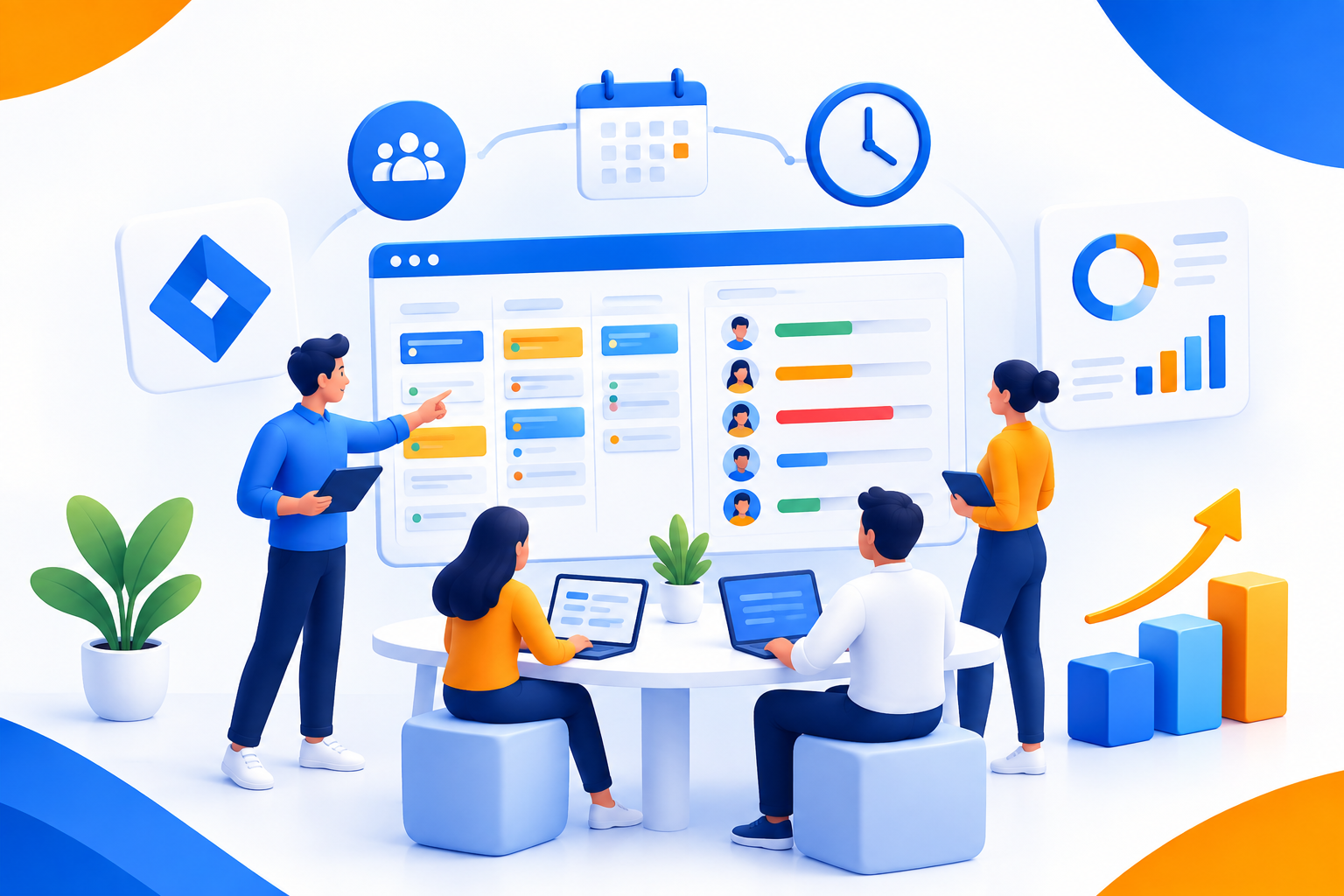
Alignment is one of those things that can get lost almost as teams grow. Departments will begin to prioritize different things, use different tools, and do things their way. Agentic systems help close that gap by:
- Keeping everyone focused on shared, common KPIs.
- Giving everybody visibility to progress and blockers.
- Nudging if there is a possibility of drift.
For example, if Marketing is focused on lead generation and Sales is complaining about more low-quality conversions, the system might highlight this disconnect and suggest a review of lead qualification criteria—all without even one meeting.
Real-life example: support team using agentic AI
For example, let’s say it’s a mid-range IT company that uses Jira Service Management. KPIs for ticketing are resolution, SLA compliance and customer feedback. An agentic system integrated into their tools notices that resolution times are creeping up. In the meantime, instead of waiting for the end-of-month report:
- It flags the increase.
- Checks for team workload imbalances and bottlenecks.
- Suggests temporarily adding another agent to take Tier 1 queries.
- Notifies the team lead and includes estimated improvement.
That’s what will really give an edge to agentic systems—smart, timely, and not fancy but very useful.
Getting Started
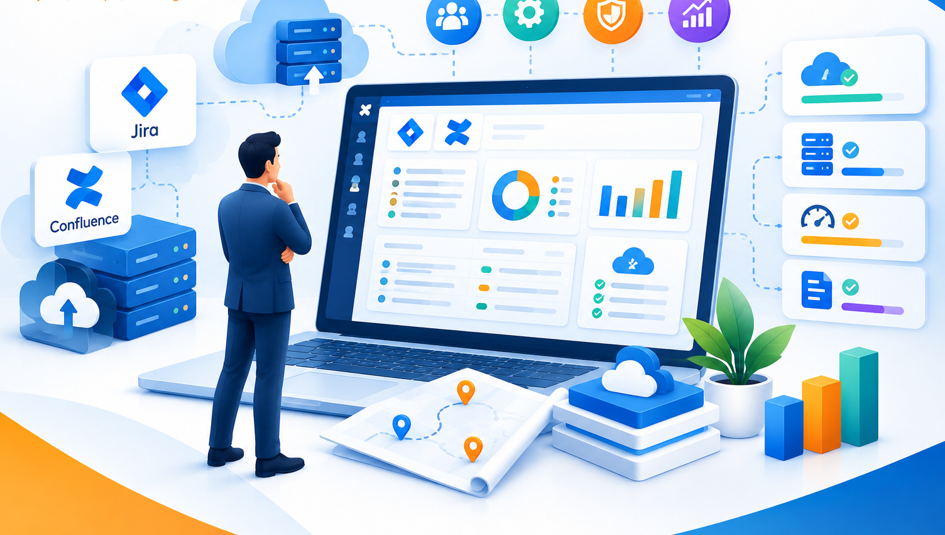
You really don’t need a huge digital transformation to be able to integrate something from agentic systems. Most modern platforms, like Atlassian, Microsoft, or monday.com, already provide integrations, or native features that can expose agentic capabilities.
To begin with:
- Select 3 to 5 KPIs that matter from your team’s perspective.
- Try to automate their tracking through one tool or another of your choosing.
- Enable smart alerts, suggestions and recommendations as they become available.
And very importantly, make sure your team is part of the implementation. The more context the system has, the better suggestions it will be able to make for you.
Agentic systems are not about replacing people. Instead, they’re about freeing them from the heavy lifting of KPI tracking and helping with gentle course corrections so the team stops wasting time chasing dashboards and instead starts spending time delivering value.