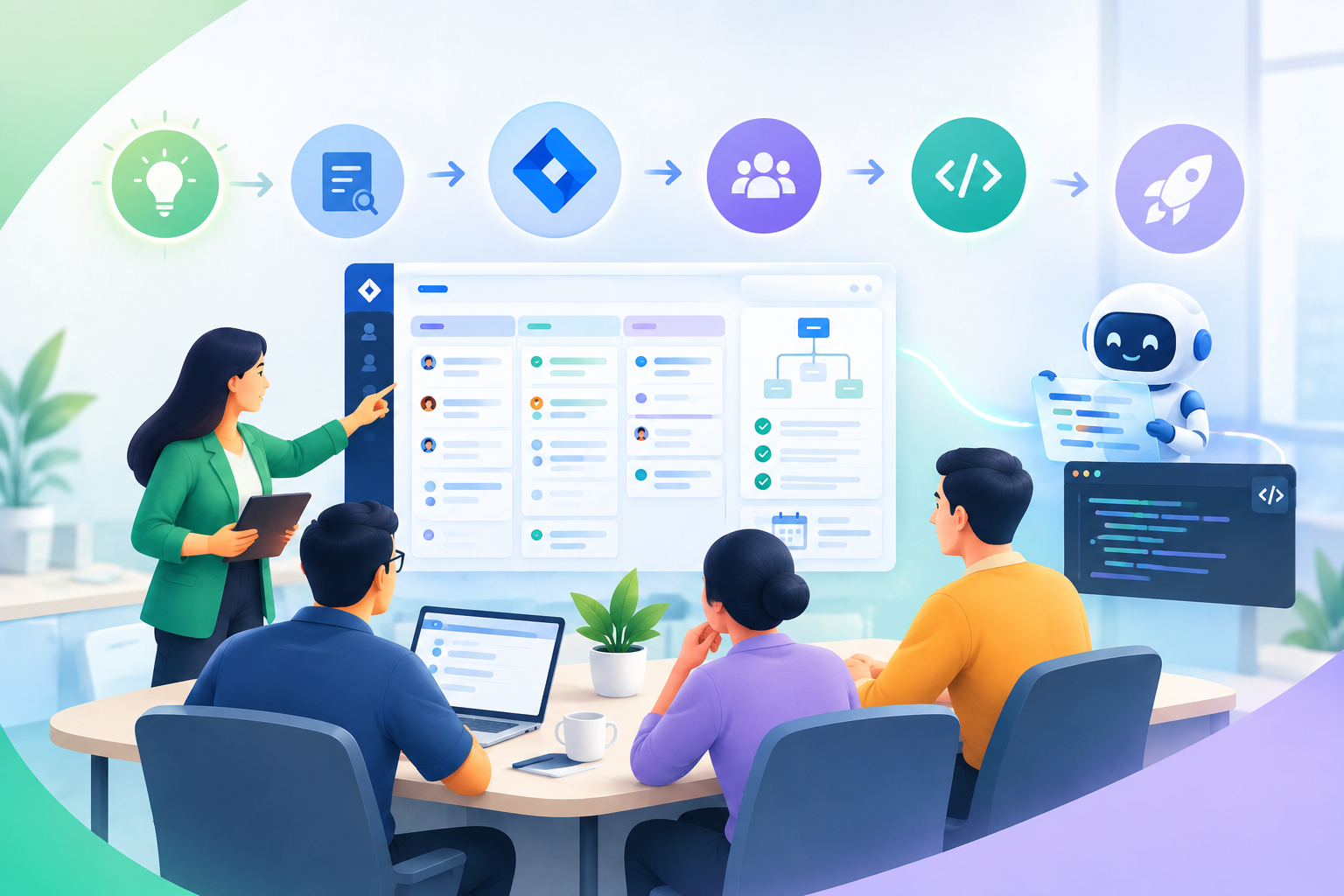
In SaaS and tech companies, support teams and product development teams exist in parallel but are not always in sync. Whenever the client submits a question, the product team is building the roadmap. The challenge? Valuable customer feedback is locked in silos and the support insights often don’t reach the product people.
Here is where Agentic AI starts creating an important difference – more so with the information flow from the correct person to the targeted person at the correct time, rather than replacing personnel. This type of system is going beyond just fixing problems, allowing the process of customer support to be tied to product improvement.
Let’s see what this looks like on day to day basis.
Agentic AI systems are quite different from traditional automation. It observes, learns the patterns, takes initiative and on occasions, even act on your behalf – like a helpful teammate that is always checking your workflows and gently pushing you in the right direction. Think of it as a smart genie assisting in your support tools and product systems, helping teams stay responsive and aligned.
Support teams get Smarter, Faster and Proactive
In most SaaS companies, the support team is the first line of defence, thereby addressing bugs, feature requests, doubts regarding usage, billing questions, etc. But with so much happening at once and without a good system in place, even simple trend patterns get missed.
Agentic AI helps in
- Detecting repeated issues early: Multifunctional AI can scan incoming tickets and spot trends. Suppose five users report login failures for a couple of hours from the same region, the system raises an alert even before the team itself notices.
- Routing tickets smartly: Agentic systems work based on learning from the past cases, sending cases to proper agents and escalating if need be, all related to routine filtering and sorting
- Reducing response times: This reduces the average handling time by recommending Agentic solutions from the knowledge base or even drafting replies. The advantage gets even better if integrated with Confluence/Internal documents.
- Closing the feedback loop: When an issue recorded in the ticket grows to either a bug fix or a new feature release, the system provides tracking for that journey and offers the support team the chance to close the loop with the original reporter – just a simple “Hey, this is now fixed” message can do wonders for customer satisfaction.
- Product teams – Clearer Signals, Better Decisions: Product managers can find themselves totally overwhelmed when they try to sort through vague feedback such as ‘Feature not working’. Too often, the messages come in without much context, allowing the precious feedback to go unheard.
Agentic AI helps in a few key ways:
- Summarize Feedback at Scale: The system can process hundreds of support tickets, community posts, or customer calls to identify and pull out recurring themes such as ‘Users are struggling to set up integrations’ or ‘There is confusion around pricing.’
- Linking Feedback to Product Impact: Even after tagging feedback, it correlates complaints with churn, downgrade rates or support volume. This way, product teams can prioritize on the basis of actual impact.
- Connecting the dots: Suppose your product team is entertaining some UX change, Agentic AI might come through by searching all past customer feedback related to that flow without anyone having to dig in.
A real-world example
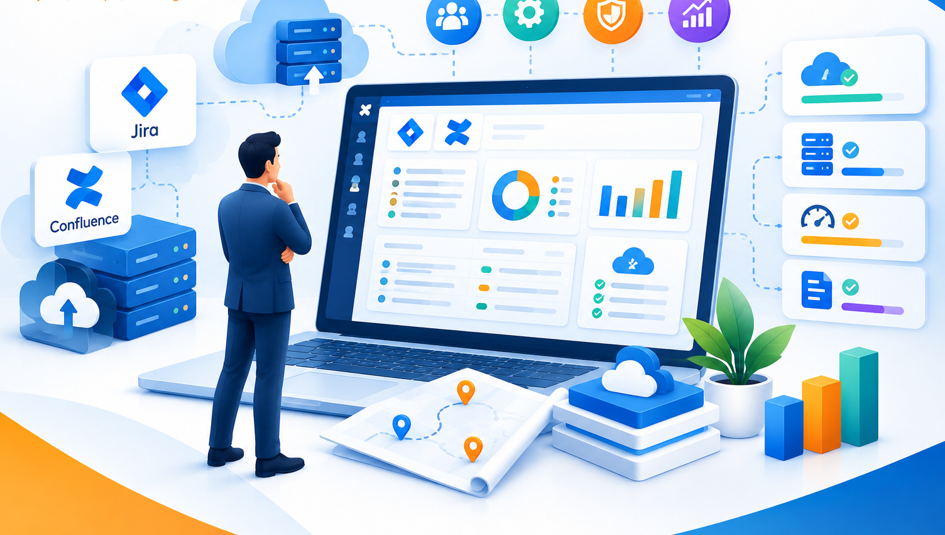
A medium-size SaaS company with Jira Service Management and Confluence recently added an agentic AI assistant into its workflow. Within the month, the assistant flagged over 40 tickets wherein some confusion was mentioned about how integrations were enabled. That insight was previously not obvious, as the tickets were scattered, differently worded, and never escalated.
AI grouped all those tickets, summarized the main problem, and confirmed this to product team. Thus began a swift series of changes to on boarding flow and documentation – all with fewer tickets, quicker on boarding. Eventually, with this in the next quarter, NPS score increases.
Getting started
You really don’t need to overhaul the stack. Rather, take the small approach:
- Integrate an AI tagging system with your support system (Zendesk or Freshdesk or even Jira Service Management) on the side.
- Use Confluence or Notion with auto-suggestions that link to relevant articles for support queries.
- Additional routing and basic replies can be automated depending on the ticket type and urgency.
- And most essentially, communicate with your teams. Allow the support and product people to decide what is worth tracking and improving. AI works best when it gets inputs about the real team needs.
Agentic AI is not a magic solution that will fix your support or product issues overnight. But it will help you spot them sooner so you can intercede faster and keep your teams focused on what matters most to the user.