The New Product Leadership Challenge: Too Much Data, Not Enough Decisions
For years, product teams have been told that more customer feedback leads to better products.
Collect more surveys.
Run more interviews.
Track more analytics.
Gather more support tickets.
Yet many product leaders face the same challenge today. They have more data than ever before, but less clarity about what to build next.
The problem is not a lack of information. The problem is decision overload.
Modern product organizations receive signals from dozens of sources. Customer conversations, support requests, sales feedback, product analytics, feature requests, market research, and executive priorities all compete for attention. Valuable insights become buried inside disconnected systems, making prioritization slower and more subjective.
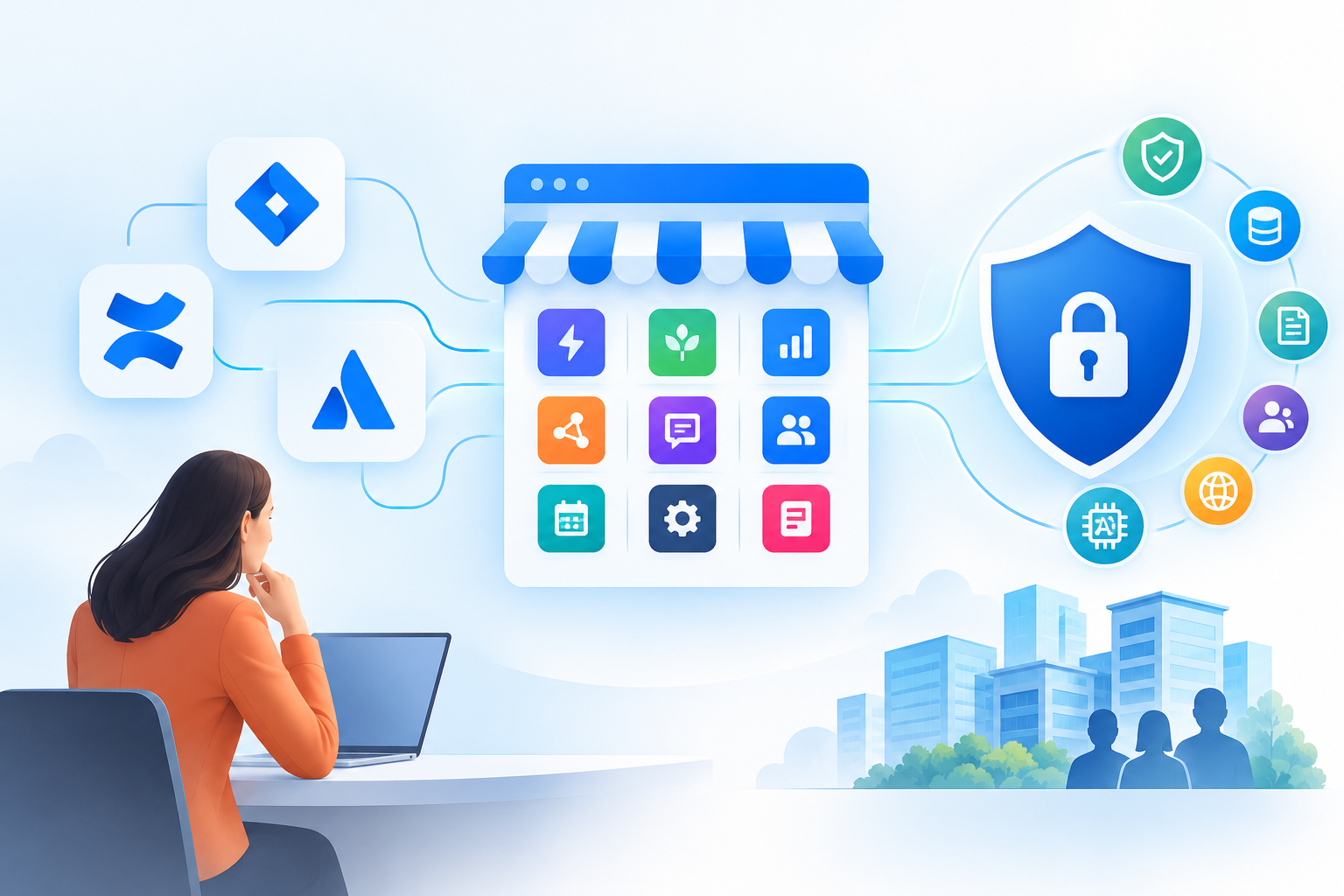
This challenge is becoming even more significant as AI accelerates software delivery. When teams can build faster than ever before, the real competitive advantage shifts from execution speed to decision quality. Atlassian recognized this shift at Team ’26 with the introduction of Product Collection, a connected environment designed to bring feedback, prioritization, analytics, and delivery together.
The organizations gaining an advantage are not necessarily building more features. They are becoming better at identifying which features deserve investment.
That distinction matters.
When product decisions are disconnected from customer signals, organizations often fall into familiar patterns. The loudest stakeholder influences priorities. Roadmaps become reactive. Teams spend excessive time debating trade-offs rather than executing strategy.
The cost extends beyond productivity.
Poor prioritization creates technical debt, increases delivery complexity, and reduces customer satisfaction. Over time, it becomes harder for leadership teams to explain why certain investments were made or whether they delivered value.
This is where connected product intelligence changes the conversation.
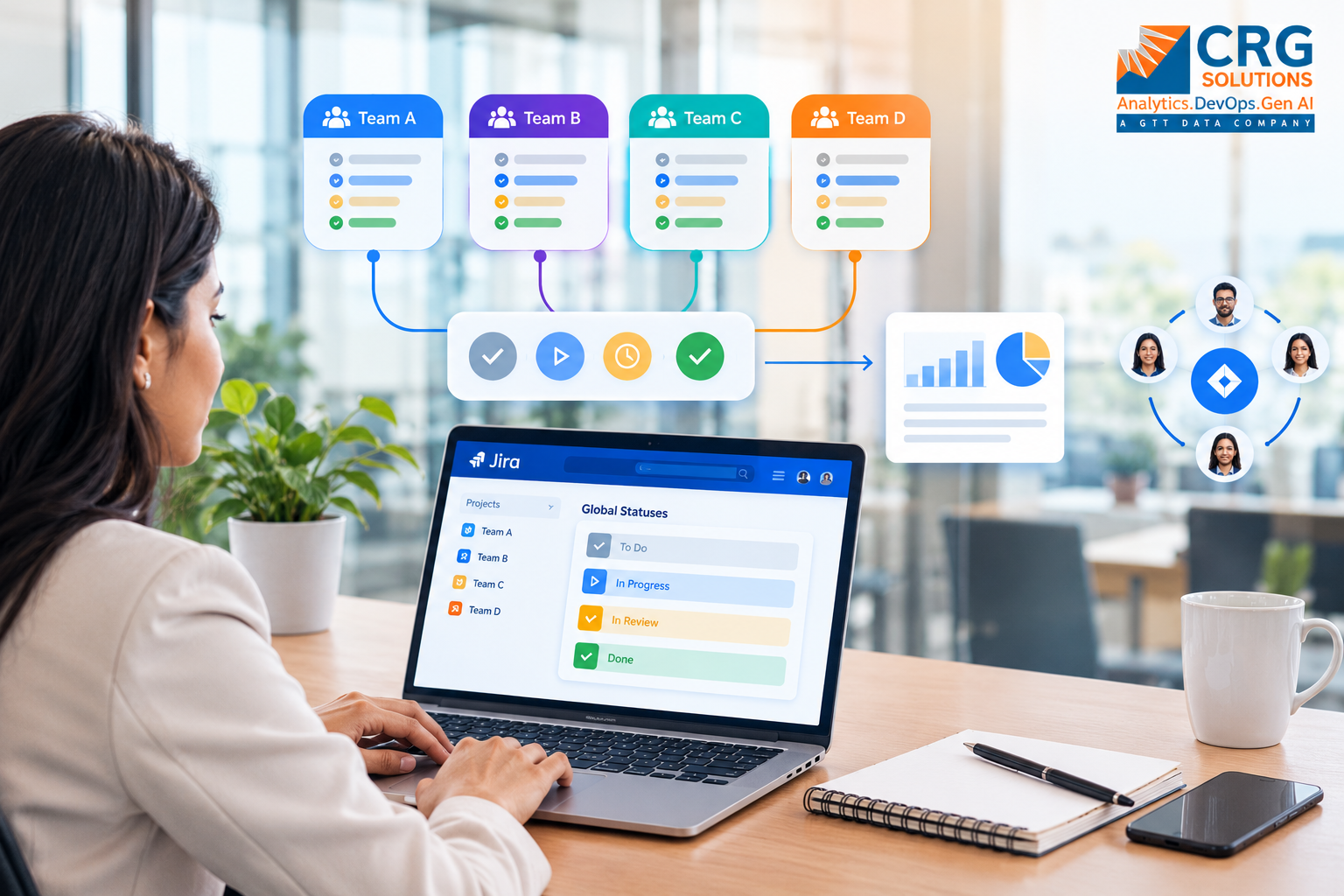
Instead of treating feedback, analytics, and delivery as separate activities, modern product organizations are beginning to manage them as one continuous process. Customer insights become linked to strategic goals. Product ideas connect directly to development work. Teams gain visibility into how decisions are made and what outcomes those decisions produce.
The result is greater transparency and faster alignment.
At CRG Solutions, we see product organizations increasingly focused on creating a single source of truth for product decision-making. Rather than asking teams to navigate multiple systems, they are creating connected environments where customer needs, business objectives, and delivery execution operate together.
This approach creates measurable advantages.
Product managers spend less time gathering information and more time evaluating opportunities. Leadership teams gain visibility into portfolio decisions. Cross-functional teams align around common priorities rather than competing viewpoints.
Most importantly, organizations preserve institutional knowledge.
Every product decision leaves a trail of context, assumptions, and outcomes. When this information remains connected, future teams learn from past decisions instead of repeating them.
As AI becomes more deeply embedded into product operations, this connected decision-making model becomes even more important. AI systems are only as effective as the context they can access. Organizations that structure feedback, priorities, and delivery data effectively will gain significantly more value from AI-powered product management than those relying on disconnected tools.