Incidents have become frequent events in modern IT environments. With distributed systems, cloud environments, and continuous delivery pipelines, alerts have become the reality of everyday events. So the question is, how do you swiftly and effectively move from alert to action?
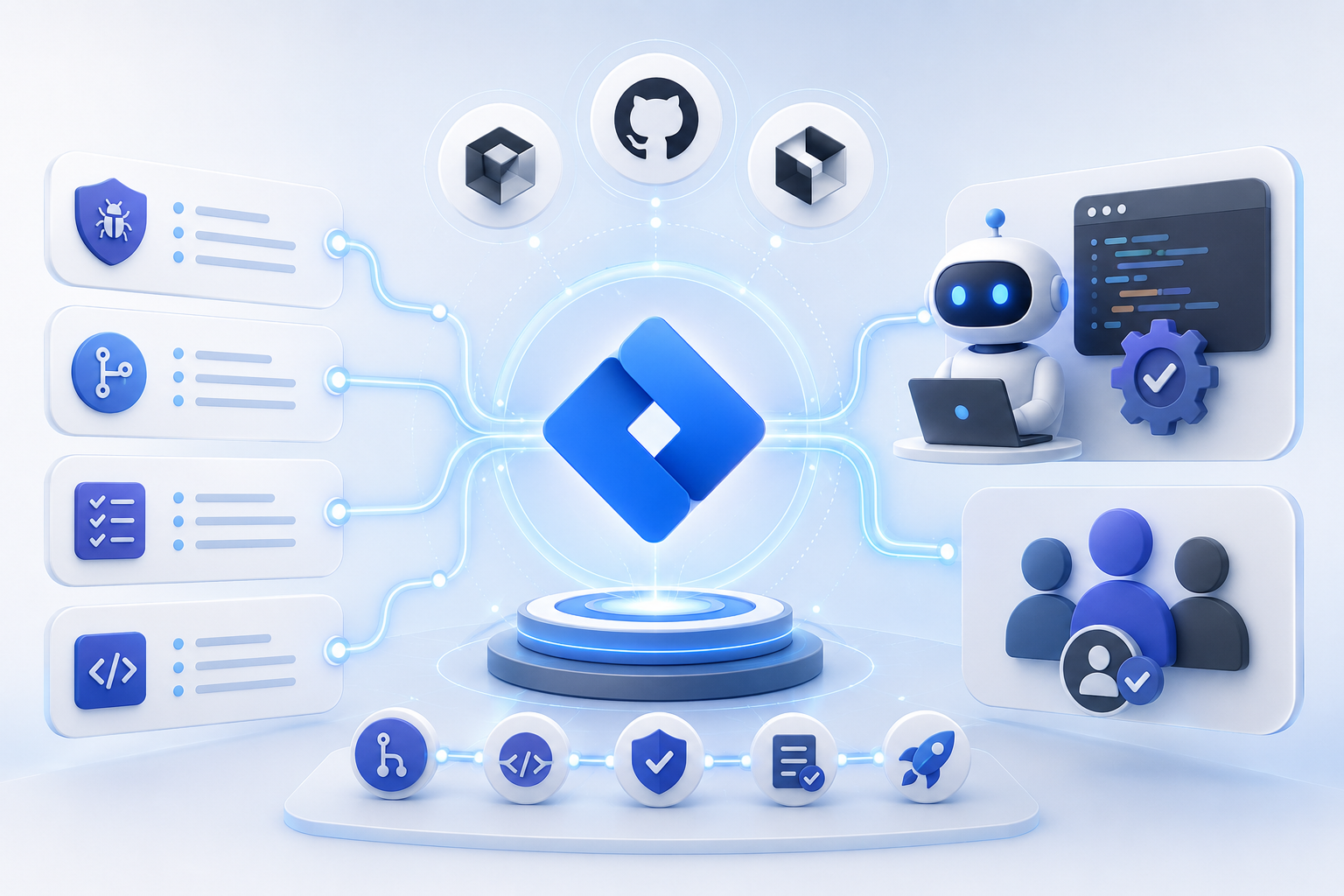
Here, binding Observability with Jira Service Management makes a difference. Monitoring signals need to be tied with incident and change workflows so that there is a closed loop from detecting issues to making sure those issues are tracked, resolved and the changes are applied appropriately.
Why alerts alone are not enough.
Observability platforms, whether it’s Prometheus, Datadog, New Relic, or others, are designed to answer three questions:
- What is happening right now?
- Why is it happening?
- How can we stop it from happening again?
They provide metrics, logs and traces that groups and isolates issues. Still, alerts alone do not solve incidents. Without the necessary processes, alerts are arguably classified as noise, duplicates or fixes that are not tracked. Teams require a certified path to jump from detection to resolution.
Where Jira Service Management fits in
Jira Service Management exists to manage incidents, changes and service requests. Integrated observability tools with JSM allows the following:
- It creates incidents from alerts. If an observability tool triggers an alert, it can open an incident in JSM with pertinent details.
- Ownership is clarified. JSM sends incidents to the proper team per on-call schedules and assignment rules.
- A context is preserved. The metric, logs or traces from the observability tool gets attached to the incident so that less time is wasted bouncing around between systems.
- Then comes the more straightforward way to do changes. If the permanent fix is a change in code or the infrastructure, teams should be able to raise a change request directly from the incident.
It ensures continuity wherein the workflow remains consistent for all signals, from detection to remediation.
Closing the loop; consider a payments platform waking up to a latency spike.
- Alert triggered: An abnormal response time condition gets detected by the observability tool triggering an alert.
- Incident created: The alert automatically opens an incident in JSM with attached logs and traces to provide context.
- On-call notified: The system routes the incident through Slack or Opsgenie integration to notify the on-call engineer.
- Investigation: The engineer queries traces and finds the database query to be the bottleneck.
- Change request: Schema update to fix the offense; The engineer raises a change request from the incident.
- Approve & implement: JSM routes the request either for fast-track approval (if it falls within standard change policies) or CAB for review.
- Resolution and closure: The deployment of the change is validated by the observability tool to have returned latency status to normal so that the incident is resolved and the three records (alert, incident, and change) signposted within JSM.
- Close the loop: So the issue is detected, fixed, and now tracked, audited, and documented.
Benefits Observability + JSM
- Faster MTTR: With automated route and auto incident creation, there would be less manual handoff.
- Collaborative works: Engineers, Service Desk Agents and Change Managers are all working within the same system of record.
- Better change governance: Changes to fixes are documented to ensure compliance implementation does not hinder fast response.
- Meaningful post analysis: Linking incidences and changes makes it viable for reviews to be conducted and recurring patterns identified.
What next?
For an effective implementation, teams must:
- Determine which alerts create incidents to minimize noise.
- Align Incident fields (severity, impact, services affected) for consistency.
- Incorporate Automation rules in JSM to associate incidents with changes.
- Identify clear approval pathways for emergency and standard changes.
Observability tells you what is wrong. Jira Service Management ensures that the right people act on it and implement fixes in a controlled manner. The integration closes the loop from alert to change and takes the organizations on a journey beyond detection toward dependable resolution.